
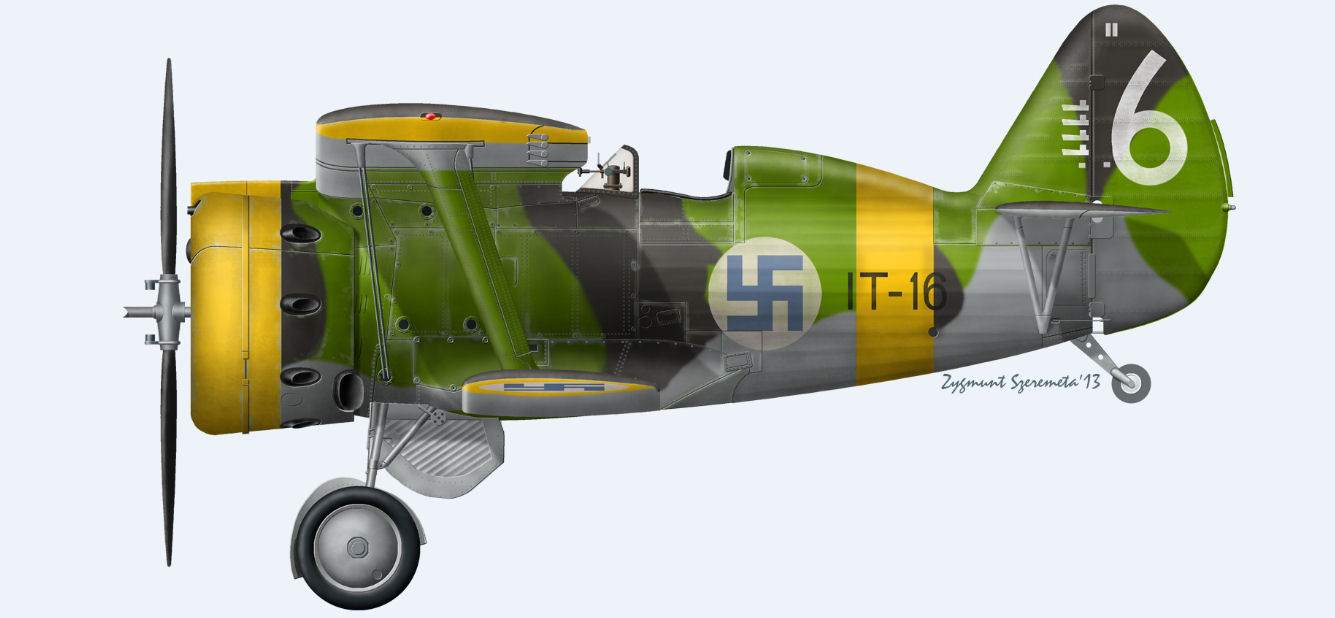
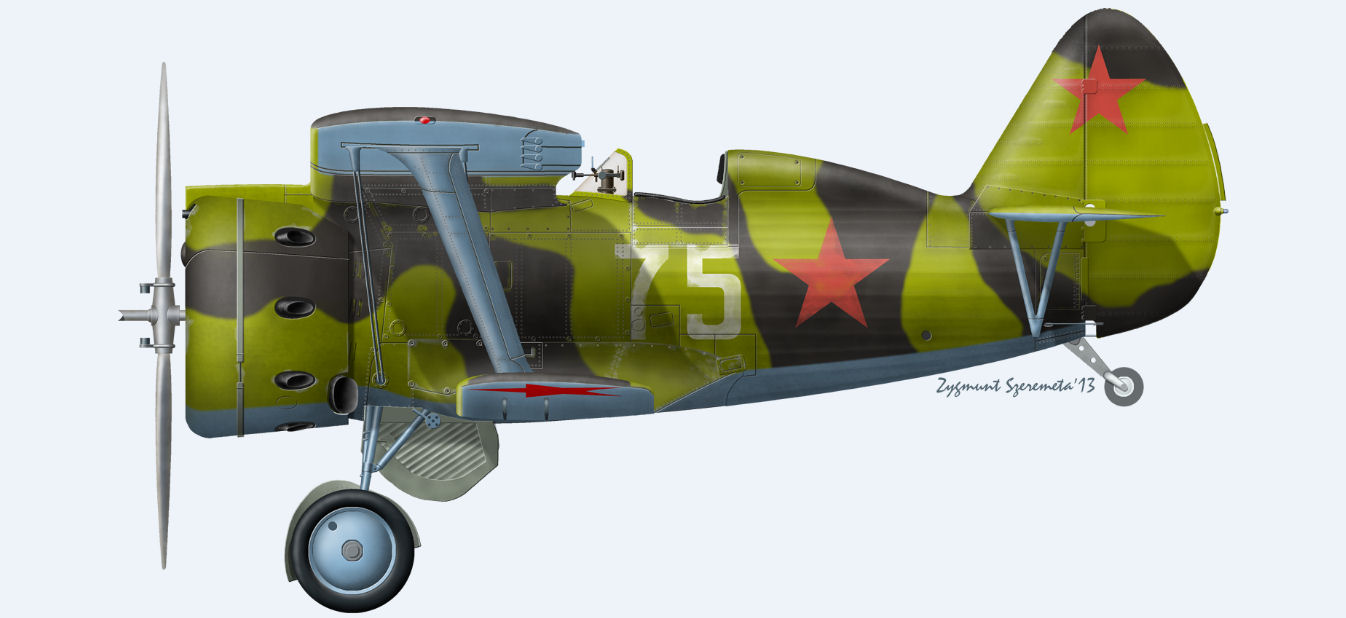
Polikarpov I-153 1/32
1,565 SEK
Description
Article no.: S07.32012
The Polikarpov I-153 was the last of Nikolai Polikarpov's biplane fighter aircraft to enter service, and despite being the most advanced entry in the series was already obsolete when it first entered service in 1939.
Work on the I-153 was officially approved on 11 October 1937. Polikarpov's main aim was to reduce drag and weight in an attempt to compensate for the weight of a heavier engine. He did this in two main ways - first by introducing a retractable undercarriage, and second by returning to the 'gull wing' configuration of the I-15.
The first prototype's maiden flight is variously reported as having taken place in May or August 1938, with A.I. Zhukov at the controls.
The I-153 had a successful combat debut. The I-153 first saw combat in 1939 during the Soviet-Japanese Battle of Khalkin Gol in Mongolia. Ninety three I-153s were provided to China (a tiny proportion of the overall Soviet contribution to the war effort against Japan in 1937-1941). The I-153 saw combat during the Winter War against Finland (1939-1940), probably suffering heavy losses against the small Finnish Air Force.
The I-153 remained in use as a front line fighter until early in 1942, but by then very few aircraft were still intact, having been lost in the air, on the ground and while acting as ground attack aircraft. The surviving aircraft remained in use in secondary roles into 1943, although they were also used as ground attack aircraft. By the middle of 1943 the Red Air Force only had 36 I-153s on its strength. A few remained in service in the Far East as late as 1945.
Operators:
China - Chinese Nationalist Air Force
Finland - Finnish Air Force operated 21 captured aircraft
Germany - Luftwaffe operated captured aircraft.
Soviet Union - Soviet Air Force & Soviet Naval Aviation
Work on the I-153 was officially approved on 11 October 1937. Polikarpov's main aim was to reduce drag and weight in an attempt to compensate for the weight of a heavier engine. He did this in two main ways - first by introducing a retractable undercarriage, and second by returning to the 'gull wing' configuration of the I-15.
The first prototype's maiden flight is variously reported as having taken place in May or August 1938, with A.I. Zhukov at the controls.
The I-153 had a successful combat debut. The I-153 first saw combat in 1939 during the Soviet-Japanese Battle of Khalkin Gol in Mongolia. Ninety three I-153s were provided to China (a tiny proportion of the overall Soviet contribution to the war effort against Japan in 1937-1941). The I-153 saw combat during the Winter War against Finland (1939-1940), probably suffering heavy losses against the small Finnish Air Force.
The I-153 remained in use as a front line fighter until early in 1942, but by then very few aircraft were still intact, having been lost in the air, on the ground and while acting as ground attack aircraft. The surviving aircraft remained in use in secondary roles into 1943, although they were also used as ground attack aircraft. By the middle of 1943 the Red Air Force only had 36 I-153s on its strength. A few remained in service in the Far East as late as 1945.
Operators:
China - Chinese Nationalist Air Force
Finland - Finnish Air Force operated 21 captured aircraft
Germany - Luftwaffe operated captured aircraft.
Soviet Union - Soviet Air Force & Soviet Naval Aviation
- BrandSilver Wings
- Secure payment by card
- Send e-mail or chat with us if we are online
- We ship world wide
We reserve the right for typos and errors in article descriptions
Description
Article no.: S07.32012
The Polikarpov I-153 was the last of Nikolai Polikarpov's biplane fighter aircraft to enter service, and despite being the most advanced entry in the series was already obsolete when it first entered service in 1939.
Work on the I-153 was officially approved on 11 October 1937. Polikarpov's main aim was to reduce drag and weight in an attempt to compensate for the weight of a heavier engine. He did this in two main ways - first by introducing a retractable undercarriage, and second by returning to the 'gull wing' configuration of the I-15.
The first prototype's maiden flight is variously reported as having taken place in May or August 1938, with A.I. Zhukov at the controls.
The I-153 had a successful combat debut. The I-153 first saw combat in 1939 during the Soviet-Japanese Battle of Khalkin Gol in Mongolia. Ninety three I-153s were provided to China (a tiny proportion of the overall Soviet contribution to the war effort against Japan in 1937-1941). The I-153 saw combat during the Winter War against Finland (1939-1940), probably suffering heavy losses against the small Finnish Air Force.
The I-153 remained in use as a front line fighter until early in 1942, but by then very few aircraft were still intact, having been lost in the air, on the ground and while acting as ground attack aircraft. The surviving aircraft remained in use in secondary roles into 1943, although they were also used as ground attack aircraft. By the middle of 1943 the Red Air Force only had 36 I-153s on its strength. A few remained in service in the Far East as late as 1945.
Operators:
China - Chinese Nationalist Air Force
Finland - Finnish Air Force operated 21 captured aircraft
Germany - Luftwaffe operated captured aircraft.
Soviet Union - Soviet Air Force & Soviet Naval Aviation
Work on the I-153 was officially approved on 11 October 1937. Polikarpov's main aim was to reduce drag and weight in an attempt to compensate for the weight of a heavier engine. He did this in two main ways - first by introducing a retractable undercarriage, and second by returning to the 'gull wing' configuration of the I-15.
The first prototype's maiden flight is variously reported as having taken place in May or August 1938, with A.I. Zhukov at the controls.
The I-153 had a successful combat debut. The I-153 first saw combat in 1939 during the Soviet-Japanese Battle of Khalkin Gol in Mongolia. Ninety three I-153s were provided to China (a tiny proportion of the overall Soviet contribution to the war effort against Japan in 1937-1941). The I-153 saw combat during the Winter War against Finland (1939-1940), probably suffering heavy losses against the small Finnish Air Force.
The I-153 remained in use as a front line fighter until early in 1942, but by then very few aircraft were still intact, having been lost in the air, on the ground and while acting as ground attack aircraft. The surviving aircraft remained in use in secondary roles into 1943, although they were also used as ground attack aircraft. By the middle of 1943 the Red Air Force only had 36 I-153s on its strength. A few remained in service in the Far East as late as 1945.
Operators:
China - Chinese Nationalist Air Force
Finland - Finnish Air Force operated 21 captured aircraft
Germany - Luftwaffe operated captured aircraft.
Soviet Union - Soviet Air Force & Soviet Naval Aviation